

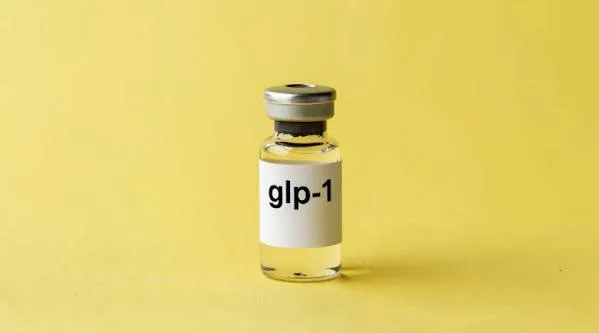
On 22 September 2026 the FDA publicly noted a warning letter to Empower Pharmacy citing violations related to producing copies of FDA-approved GLP-1 drugs and sterility concerns arising from insanitary conditions observed at the facility. This continues a multi-year pattern of agency scrutiny of large-scale compounding of semaglutide and tirzepatide products.
For many people, compounded versions appeared during periods of shortage or high list prices. With approved higher-dose and oral options now on the market, the regulatory line is clearer: compounded copies of commercially available approved drugs generally fall outside the exemptions intended for genuine shortages or individualized medical needs.
What happened
The FDA stated it issued a warning letter to the compounder for making copies of FDA-approved GLP-1 drugs and for sterility concerns because the drugs were made in a facility where investigators observed insanitary conditions. The agency reiterated its commitment to protecting patients from poor-quality compounded GLP-1 products.
This builds on earlier FDA warning letters and Form 483 observations to the same firm (including April 2025 letters and subsequent inspections) that documented deficiencies in sterile production practices, environmental monitoring, and related quality systems. What the evidence shows
Compounded drugs are not subjected to the same pre-market FDA review for safety, effectiveness, and manufacturing quality as approved products.
Once a drug is commercially available and not in shortage, routine compounding of essentially copies is not permitted under the relevant statutory exemptions. Sterility and potency failures have been documented in compounding inspections across the sector; absolute risk for any given patient or lot cannot be calculated from public data alone.
Approved alternatives expanded in 2025–2026: Wegovy HD (semaglutide 7.2 mg weekly) showed additional average weight reduction versus the prior 2.4 mg dose in the STEP UP trial, with a safety profile largely consistent with the class (gastrointestinal effects common; higher rates of altered skin sensation reported at the higher dose). Oral semaglutide and the non-peptide oral orforglipron (Foundayo) provide additional non-injectable options.
What the numbers actually mean
STEP UP (phase 3, adults with obesity without diabetes) reported roughly 20.7% mean weight loss with 7.2 mg semaglutide at 72 weeks under the efficacy estimand—greater than the lower approved dose but still within the range of other potent incretin therapies. These are average trial results under controlled conditions; individual response varies.
FDA adverse-event tallies for compounded semaglutide run into the hundreds to low thousands for serious reports (as of mid-2026 references); many resemble known class effects (nausea, vomiting, etc.), but the absence of standardized manufacturing data adds uncertainty. How this compares with existing treatment/evidence
Approved injectable and oral GLP-1 / dual-agonist products have extensive phase 3 data, labeling, and post-marketing surveillance. Compounded products do not. Head-to-head randomized data comparing compounded versus approved versions on long-term safety or efficacy are lacking. What we know / What we don’t know yet
We know the regulatory framework and the pattern of inspection findings. We do not know the status of every individual lot currently in circulation, the precise corrective actions completed by any single firm, or long-term outcomes specific to compounded products in real-world use. What this means for people taking GLP-1 medicines
If you are using an FDA-approved product (Wegovy, Zepbound, Ozempic, Mounjaro, oral formulations, etc.), the letter does not change the evidence base for those medicines. If you are using a compounded product, discuss the source, labeling, and alternatives with your clinician or pharmacist. Cost and insurance coverage remain practical barriers for many; approved options now include higher-dose and oral formulations that may fit different preferences.
What happens next
Further FDA inspections, possible additional enforcement, company responses, and continued monitoring of adverse-event reports are expected. Availability of approved products and insurance coverage will continue to shape real-world access.
Conclusion
The latest FDA communication is a reminder that “compounded GLP-1” is not interchangeable with an FDA-approved medicine. Patients benefit from clear information about regulatory status, known quality risks, and the expanding set of approved alternatives. Decisions about therapy belong with the individual and their clinician, grounded in the full evidence rather than marketing claims or social-media anecdotes.